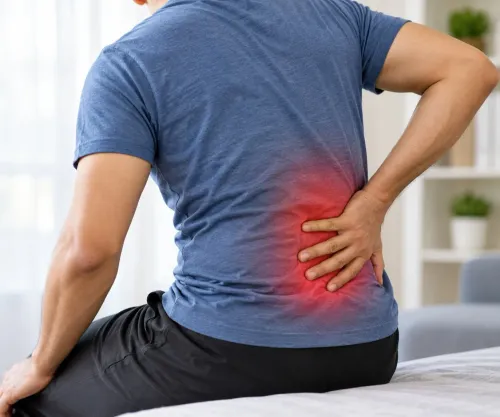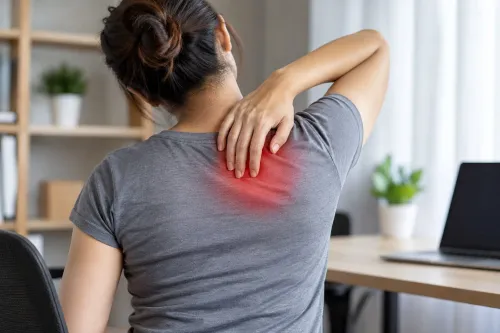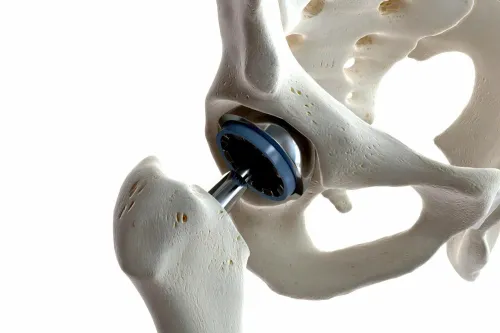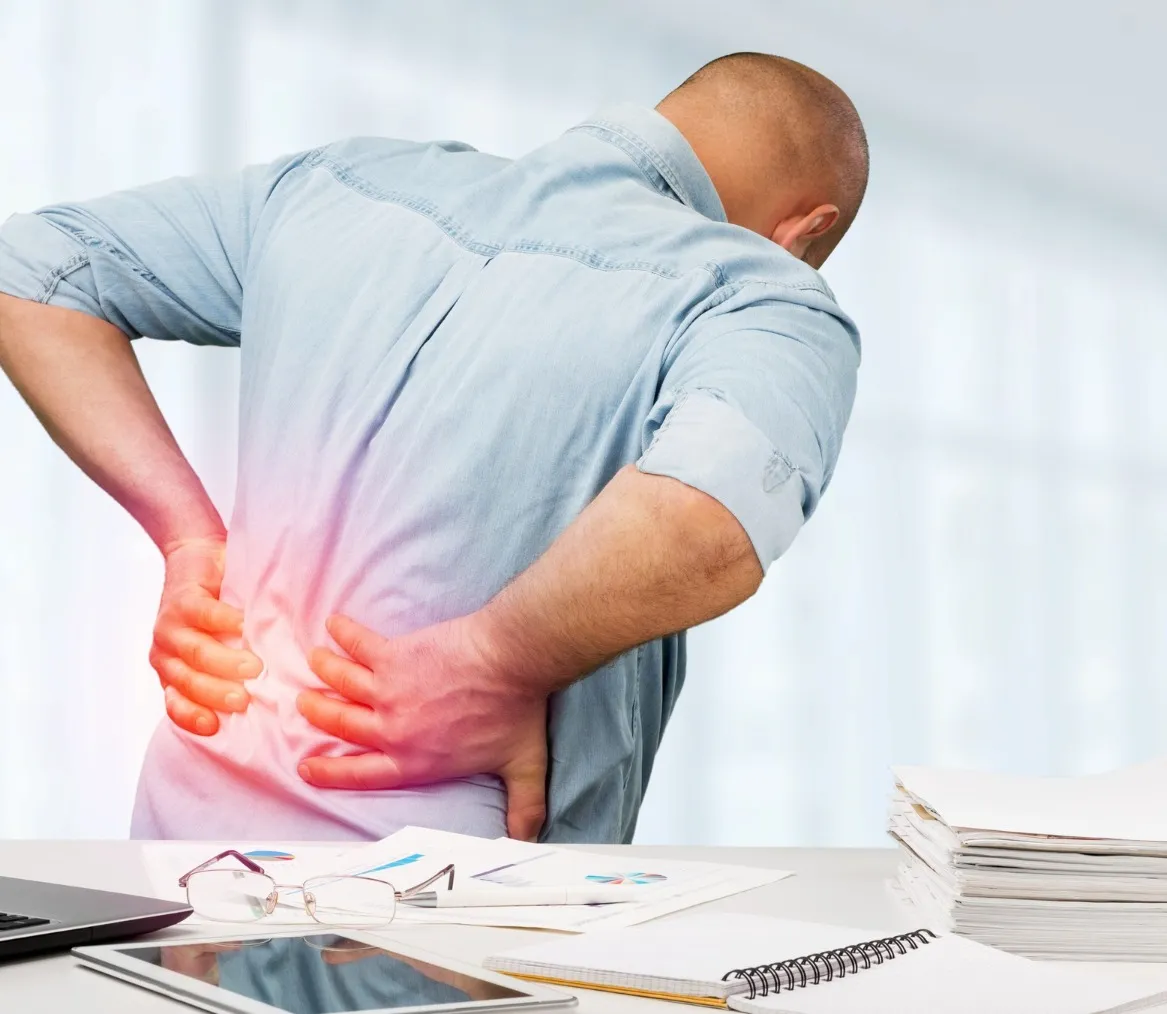
Lower back pain can make ordinary movements such as sitting, bending, driving, lifting, and sleeping uncomfortable. While treatment depends on the actual cause, daily habits can strongly influence recovery.
A well-planned Lower Back Pain Treatment approach usually combines clinical assessment with appropriate movement, rehabilitation, and modifications to activities that repeatedly aggravate symptoms.
How Lower Back Pain Treatment Addresses Daily Triggers
Lower back discomfort may arise from muscle strain, spinal joints, disc problems, age-related degeneration, poor movement patterns, or injury.
People who work at desks in Bangalore may experience symptoms after prolonged sitting, while others develop pain after repeated lifting, gym activity, household work, or physically demanding occupations.
Identifying these triggers helps shape treatment.
An assessment may consider:
- Pain location
- Duration of symptoms
- Leg symptoms
- Numbness
- Weakness
- Previous back problems
- Work demands
- Exercise habits
Movement Habits That Help Lower Back Pain Treatment
Complete inactivity is rarely useful for routine mechanical lower back pain.
Instead, patients may benefit from gradual, comfortable movement within medical guidance.
Useful habits can include:
- Changing position regularly
- Taking short walking breaks
- Avoiding prolonged sitting
- Using correct lifting technique
- Increasing exercise gradually
- Maintaining appropriate core strength
Sudden return to intense exercise after pain improves can cause another flare-up.
Workplace Changes During Lower Back Pain Treatment
Desk setup matters when someone spends several hours working each day.
Consider:
- Keeping feet supported
- Positioning the screen near eye level
- Using a chair that supports the lower back
- Avoiding prolonged forward bending
- Keeping frequently used objects within reach
No single sitting posture needs to be maintained perfectly throughout the day. Regular position changes can be more practical than remaining rigidly upright for hours.
Recovery Time With Lower Back Pain Treatment
A simple strain may improve within days or a few weeks.
Longstanding mechanical pain, disc-related symptoms, arthritis, and degenerative problems may take longer.
Progress can be judged through everyday improvements such as:
- Sitting longer comfortably
- Walking further
- Sleeping better
- Bending with less restriction
- Returning gradually to work
- Reduced reliance on medication
Benefits and Risks Linked With Lower Back Pain Treatment
Appropriate treatment can improve movement, muscle support, and daily function.
Medication may have side effects. Incorrect exercises may aggravate symptoms. Injections and surgical procedures carry additional risks when used for selected conditions.
Treatment should therefore progress according to diagnosis and response.
Care Before and After Lower Back Pain Treatment
Before assessment, patients can keep a brief record of what increases symptoms.
Useful details include whether pain changes with sitting, walking, coughing, bending, or lifting.
After treatment starts:
- Follow the exercise programme consistently
- Avoid self-directed heavy lifting
- Increase activity progressively
- Maintain regular movement
- Attend follow-up when symptoms persist
Common Questions About Lower Back Pain Treatment
Is prolonged sitting harmful to the lower back?
Long periods of uninterrupted sitting can contribute to discomfort in some people, particularly when physical activity is limited.
Does every patient need an MRI?
No. Imaging is selected according to symptoms and examination findings.
Can strengthening exercises help?
Appropriate strengthening is often used as part of rehabilitation, depending on the diagnosis.
When should symptoms receive prompt assessment?
Major injury, significant weakness, loss of bladder or bowel control, numbness around the groin region, fever with severe back pain, and other concerning symptoms require timely medical attention.
Across Bangalore and Karnataka, lower back discomfort is common among office workers, drivers, older adults, and physically active people. Consistent movement habits and individualized rehabilitation can be as important as short-term symptom relief when the goal is sustainable recovery.
Keywords