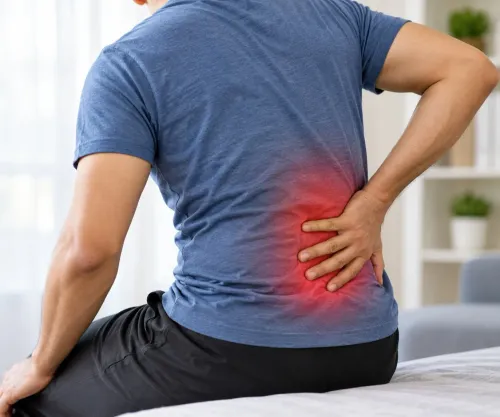
Back pain is common, but the reason behind it can vary considerably from one person to another. Some people develop discomfort after lifting a heavy object, while others notice symptoms after sitting for long periods, exercising incorrectly, or gradually becoming less active. In many cases, mild pain improves with sensible activity changes. Persistent, recurrent, or worsening symptoms may require structured Back Pain Treatment based on the underlying cause.
People living and working in Bangalore often spend extended hours at desks, commute through traffic, or alternate between sedentary routines and sudden physical activity. These patterns can contribute to muscle strain and mechanical back discomfort, but they are not the only possible causes.
How Back Pain Treatment Begins With Accurate Assessment
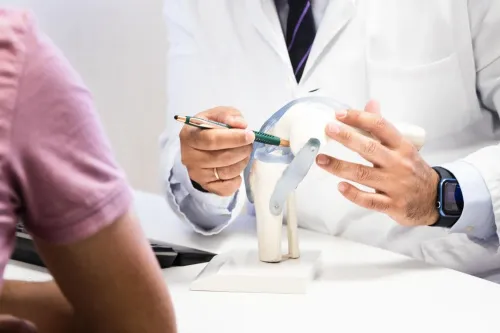
Effective treatment starts with understanding where the pain comes from. Back discomfort may be related to muscles, ligaments, spinal joints, discs, nerves, age-related changes, or injury.
A clinical assessment usually considers:
- When the pain started
- Activities that make symptoms worse
- Whether pain travels into the leg
- Presence of numbness or weakness
- Previous injuries
- Work and exercise patterns
- Existing medical conditions
The examination may include spinal movement, muscle strength, reflexes, sensation, and walking pattern.
Not every patient requires an X-ray or MRI. Imaging is selected when symptoms, examination findings, injury history, or persistent problems indicate that more information is needed.
What Back Pain Treatment Commonly Includes
Many episodes can be managed without surgery.
Depending on the diagnosis, treatment may involve:
- Short-term medication when appropriate
- Physiotherapy
- Activity modification
- Posture correction
- Core-strengthening exercises
- Flexibility work
- Workplace ergonomic changes
Complete bed rest is generally not the goal for uncomplicated mechanical back pain. Controlled movement usually forms an important part of recovery.
Some patients with specific spinal conditions may require injections, additional investigations, or surgical evaluation. These options are considered according to the diagnosis rather than simply because pain is severe.
Recovery Time During Back Pain Treatment
Recovery varies according to the problem.
A mild muscular strain may improve within days or a few weeks. Disc-related symptoms, longstanding mechanical pain, arthritis, or degenerative spinal conditions may require a longer rehabilitation period.
Useful signs of progress include:
- Better sitting tolerance
- Easier walking
- Improved sleep
- Reduced pain during work
- Greater flexibility
- Improved strength
- Less restriction during routine activities
Recovery should not be measured only by whether pain has completely disappeared.
Benefits and Risks Linked With Back Pain Treatment
Appropriate treatment can help restore movement, reduce discomfort, improve muscle support, and reduce activity limitations.
Risks depend on the treatment used. Medication may cause side effects in some individuals. Incorrect exercises can aggravate symptoms. Injections and surgery have procedure-specific risks that should be discussed when those treatments are being considered.
The safest approach is to match treatment intensity to the actual diagnosis.
Preparing Well Before Back Pain Treatment
Patients can make an assessment more useful by noting when symptoms occur and which movements trigger them.
Bring previous scans and prescriptions when available. It is also useful to mention previous injuries, ongoing medicines, and any changes in leg strength or sensation.
During recovery:
- Perform recommended exercises consistently
- Increase activity gradually
- Avoid sudden heavy lifting
- Improve sitting ergonomics
- Change position regularly
- Use safe lifting techniques
Common Questions About Back Pain Treatment
When should back pain receive medical assessment?
Persistent symptoms, recurrent episodes, significant injury, leg weakness, numbness, or pain affecting normal daily activity deserve evaluation.
Does back pain always mean a disc problem?
No. Muscles, joints, ligaments, discs, nerves, and other structures may contribute.
Is surgery commonly required?
Many patients improve with conservative management. Surgery is reserved for selected conditions.
Can back pain return after recovery?
Yes. Regular movement, strengthening, appropriate posture, and safe physical activity can help reduce recurrence.
For people across Bangalore and Karnataka, understanding the cause of back pain is usually more useful than repeatedly treating symptoms in isolation. A structured approach helps determine which activities are safe, which treatments may help, and how recovery can progress without unnecessary intervention.
Keywords