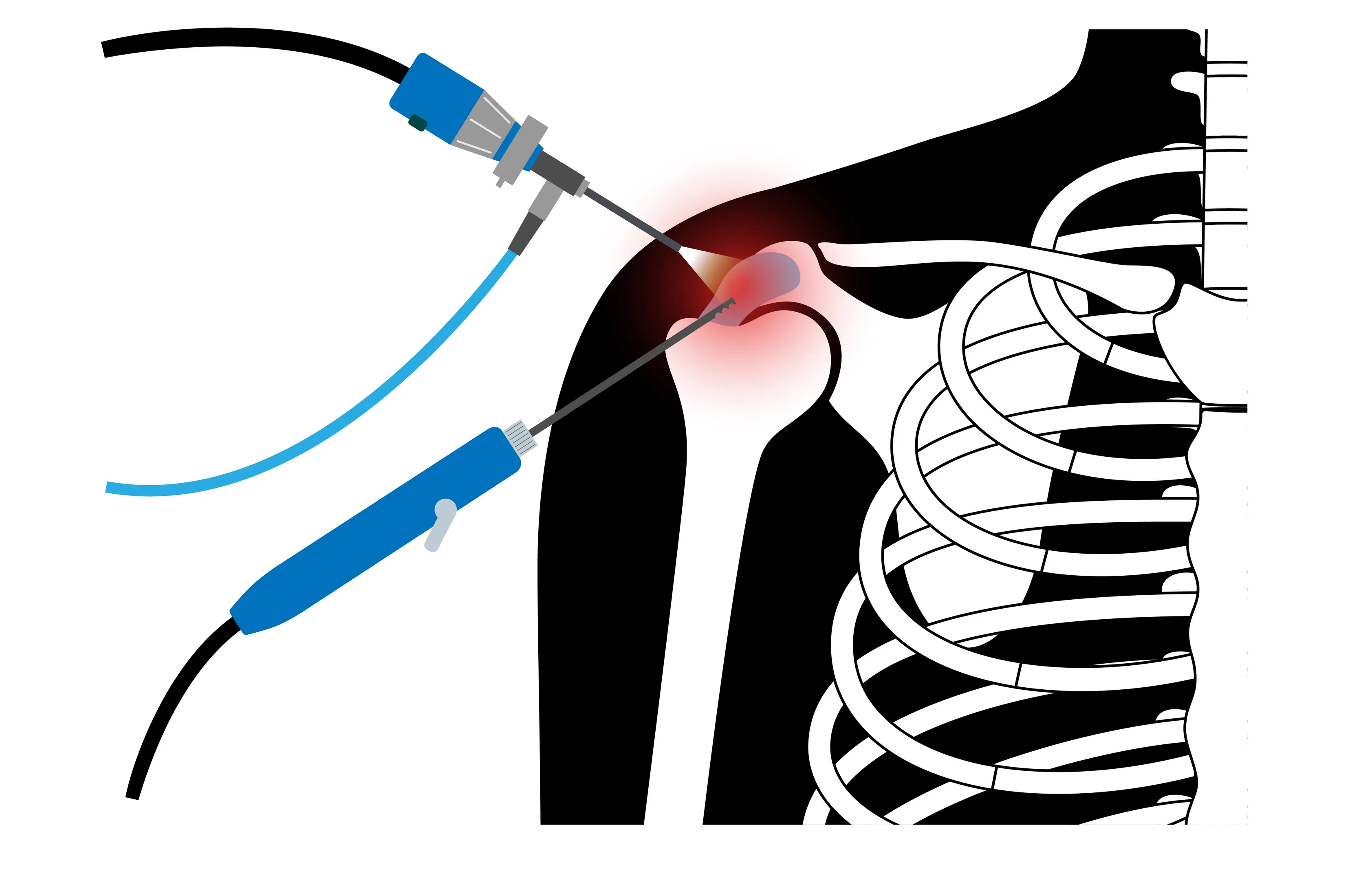
The rotator cuff is a group of tendons that helps lift and rotate the arm while contributing to shoulder stability. Damage can range from tendinopathy and partial tearing to a complete tendon tear.
Rotator cuff repair surgery is one possible treatment for selected tears, but the decision depends on much more than the presence of a tear on an MRI scan.
Symptoms That Deserve Closer Attention
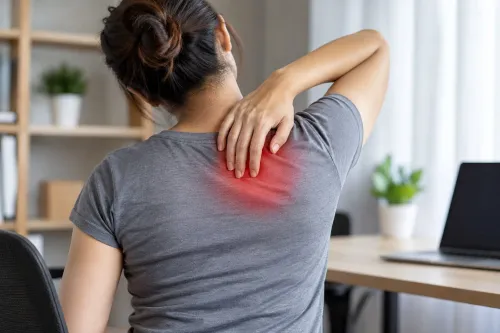
Rotator cuff problems can cause pain over the outer shoulder and upper arm, particularly during overhead activity.
Potential warning signs include:
- New weakness after an injury
- Difficulty raising the arm
- Persistent night pain
- Loss of strength during rotation
- Symptoms affecting work
- Reduced sporting ability
- Pain that continues despite appropriate treatment
A sudden inability to lift the arm after a significant injury deserves timely evaluation.
Tear Characteristics Influence Treatment
Rotator cuff tears vary considerably.
A small partial tear may have different implications from a large traumatic full-thickness tear. The affected tendon, tear size, degree of retraction, muscle condition, symptom duration, and patient age can all influence treatment decisions.
This is why MRI findings need to be interpreted in the context of clinical examination and functional symptoms.
When Non-Surgical Care May Be Considered
Not every rotator cuff tear requires an operation.
Depending on the tear and patient, non-surgical management may include activity modification, appropriate medication, physiotherapy, and progressive strengthening.
Some patients achieve acceptable pain relief and function without surgery, particularly when weakness is limited and functional demands can be met.
When Repair May Become More Relevant
Rotator cuff repair surgery may be considered in selected patients with significant traumatic tears, persistent symptoms despite suitable conservative treatment, substantial weakness, or functional limitations associated with a repairable tear.
The patient's occupation and activity goals also matter. Someone who regularly performs demanding overhead work may have different functional requirements from someone with lower shoulder demands.
Dr. Manohar Rao Ortho evaluates rotator cuff injuries for patients in Bangalore using clinical findings, imaging, symptom history, and functional requirements to guide treatment discussions.
Rehabilitation Is Essential After Repair
Repairing a tendon does not immediately restore normal strength.
The repaired tissue needs time to heal, and rehabilitation is deliberately progressive. Early stages may focus on protecting the repair and maintaining permitted movement. Active movement and strengthening are introduced according to the procedure and healing progress.
Returning to heavy lifting too early can place unnecessary stress on the repair.
Choosing Treatment Requires Individual Assessment
Two patients with apparently similar MRI reports may not require identical treatment. Age, trauma history, tear characteristics, strength, medical conditions, daily demands, and previous rehabilitation all influence the decision.
Patients in Bangalore with persistent shoulder weakness, pain after trauma, or difficulty raising the arm can consider an orthopaedic assessment to determine the extent of rotator cuff damage. When rotator cuff repair surgery is being considered, understanding the indication, rehabilitation commitment, expected functional goals, and alternative treatment options helps patients make a more informed decision.
Keywords