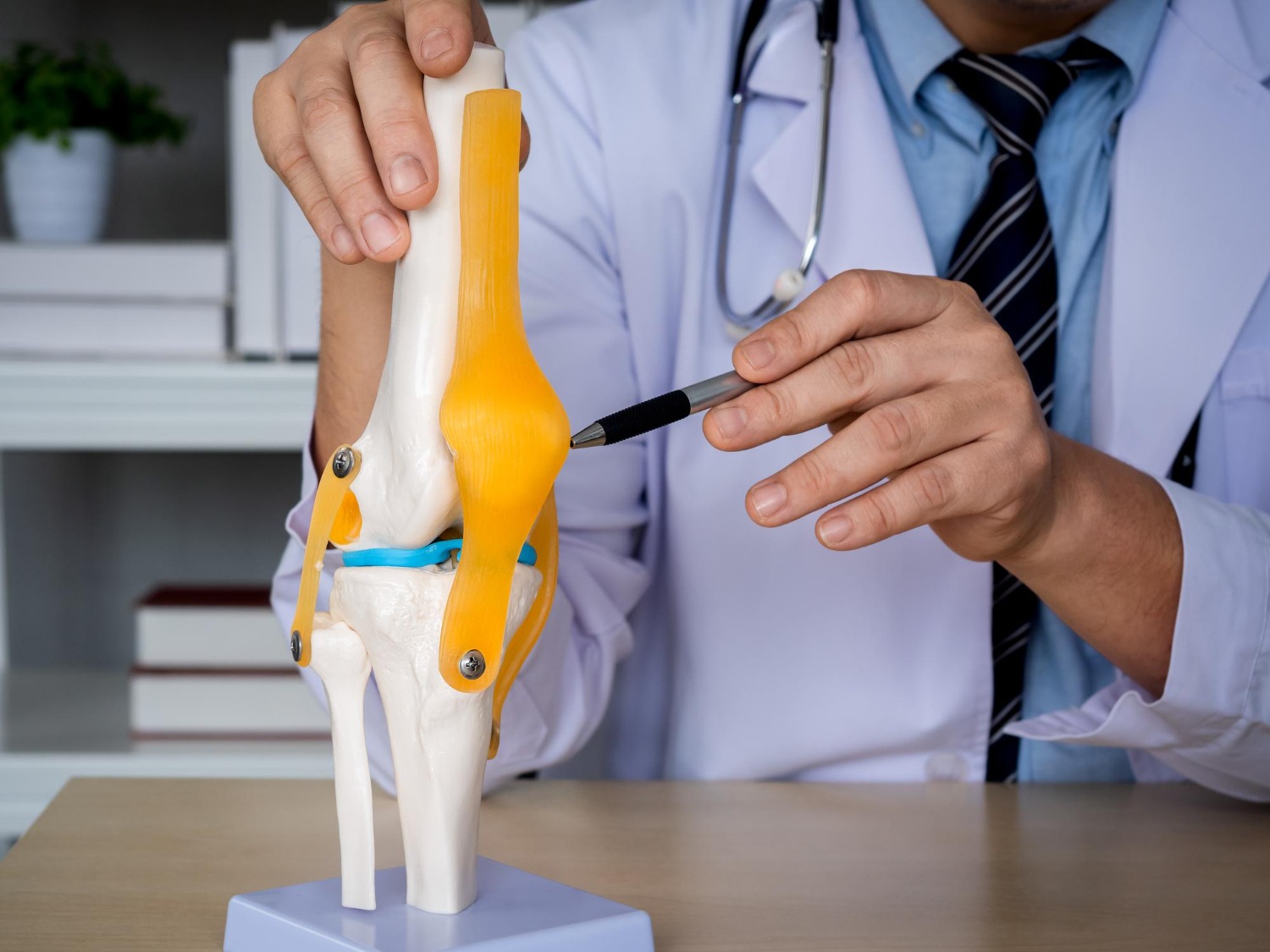
Living with arthritis often involves gradual adjustments. Patients may walk less, avoid stairs, stop travelling, use furniture for support, and rely increasingly on family members without realizing how much mobility has declined.
Joint Replacement Surgery may become relevant when pain and loss of function remain substantial despite appropriate conservative treatment.
Daily Limitations That May Support Joint Replacement Surgery
One of the clearest signs is a persistent reduction in everyday function.
Examples include:
- Difficulty walking short distances
- Severe stair limitation
- Pain while standing from a chair
- Frequent night discomfort
- Reduced independence
- Progressive stiffness
- Difficulty completing household tasks
- Increasing reliance on walking aids
The impact of arthritis on daily life is important when assessing readiness.
Previous Treatment Before Joint Replacement Surgery
Replacement is rarely the first treatment for arthritis.
Patients may already have tried:
- Medication
- Physiotherapy
- Exercise
- Activity modification
- Weight management when relevant
- Walking aids
- Injections in selected cases
If these measures no longer provide acceptable symptom control, surgical assessment may become reasonable.
Clinical Assessment Before Joint Replacement Surgery
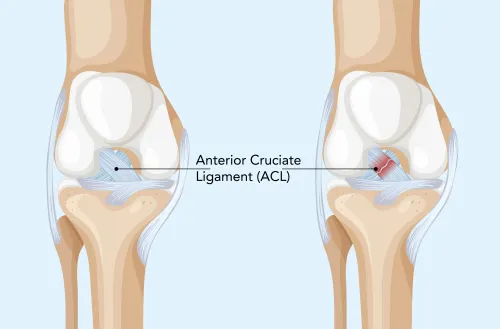
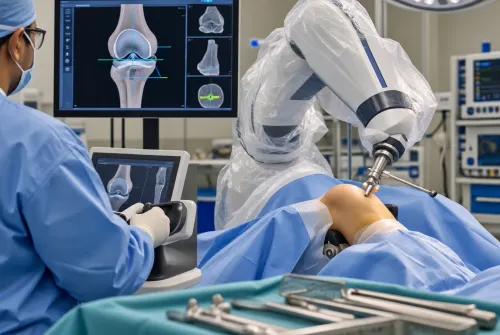
Imaging helps show structural damage, but surgery should not be decided from X-rays alone.
A complete evaluation may consider:
- Pain severity
- Joint movement
- Deformity
- Walking ability
- Previous treatment
- Medical health
- Functional goals
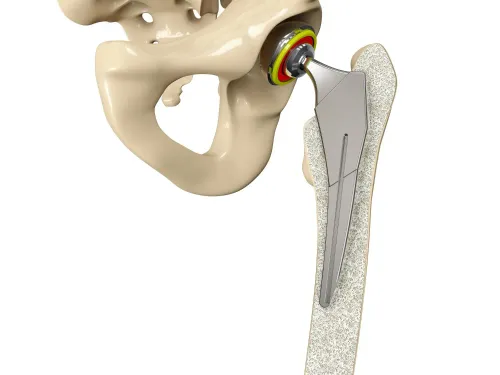
Knee and hip replacement are among the commonly performed procedures for advanced joint damage.
Preparation Before Joint Replacement Surgery
Patients may need:
- Blood investigations
- Imaging
- Medical fitness assessment
- Medication review
- Diabetes management
- Blood pressure control
- Infection evaluation
Home planning is also important.
Patients can prepare by removing trip hazards, creating clear walking routes, and arranging assistance during early recovery.
Recovery Following Joint Replacement Surgery
Rehabilitation begins soon after surgery according to the treatment plan.
Patients usually progress through stages involving:
- Assisted walking
- Joint movement exercises
- Muscle strengthening
- Balance work
- Functional training
- Increasing independence
Recovery continues beyond hospital discharge and may extend over several months.
Benefits and Risks of Joint Replacement Surgery
Potential benefits include reduced pain from damaged joint surfaces and improved mobility.
Possible complications can include:
- Infection
- Blood clots
- Bleeding
- Stiffness
- Fracture
- Implant loosening
- Persistent discomfort
- Nerve injury
- Medical complications
Joint-specific risks may also apply.
Patients should understand these possibilities before proceeding.
Selecting Care for Joint Replacement Surgery
Provider selection should include more than convenience.
Useful factors include:
- Relevant surgical experience
- Clear diagnosis
- Discussion of non-surgical options
- Transparent explanation of risks
- Rehabilitation planning
- Hospital support
- Follow-up structure
Dr. Manohar Rao Ortho provides orthopedic evaluation in Bangalore for patients with advanced knee and hip symptoms who may need assessment for joint replacement.
Common Questions About Joint Replacement Surgery
Should surgery wait until walking becomes impossible?
Not necessarily. Timing depends on symptoms, mobility, joint damage, medical condition, and response to previous treatment.
Does severe arthritis always require surgery?
No. Some patients remain functional with conservative treatment.
How long can recovery take?
Initial mobility improves progressively, while broader functional recovery may continue over several months.
Is physiotherapy necessary after replacement?
Rehabilitation is an important part of restoring movement, strength, balance, and independence.
Can an artificial joint eventually need another operation?
Yes. Wear, loosening, infection, injury, and other factors can occasionally lead to revision surgery.
For patients in Bangalore and across Karnataka, readiness for replacement should be judged by the combined effect of pain, mobility loss, joint damage, previous treatment response, and overall health. A well-timed decision considers the full treatment journey rather than the operation alone.
Keywords