Pain in a knee, hip, shoulder, back, ankle, or another part of the musculoskeletal system can have many possible explanations. Previous injuries, arthritis, tendon problems, ligament damage, fractures, overuse, and conditions affecting the spine can sometimes produce overlapping symptoms.
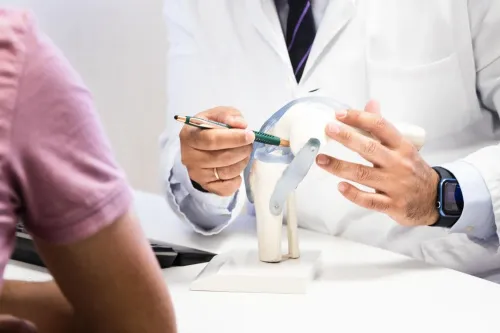
An Orthopedic consultation helps establish what may be causing the problem and what should happen next.
Patients visiting an orthopaedic clinic in Bangalore often benefit from preparing for the appointment rather than viewing the consultation as simply a quick examination of the painful area.
Your Medical History Provides Important Clues
A detailed description of the problem can help the doctor understand its pattern.
Useful information includes:
- When the pain began
- Whether symptoms followed an injury
- Activities that increase discomfort
- Whether pain occurs at rest
- Presence of swelling or stiffness
- Previous fractures or operations
- Earlier treatments and their results
- Medicines currently being taken
- Existing medical conditions
For an old sports injury, information about the original incident may be important even when symptoms have recently become worse.
Physical Examination Helps Narrow the Cause
The examination varies according to the affected area.
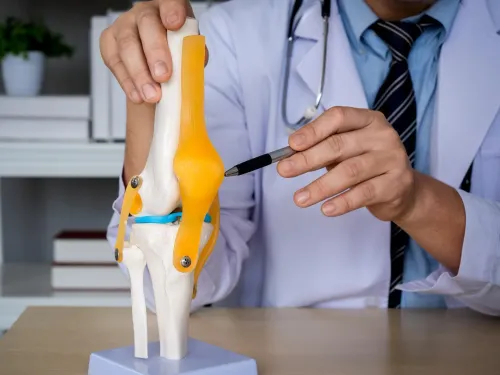
For knee symptoms, the doctor may assess swelling, movement, stability, alignment, tenderness, and walking pattern. Shoulder assessment may include movement, strength, and specific clinical tests. Back symptoms may require evaluation of movement and neurological function.
These findings help determine whether investigations are necessary.
Imaging Is Not Automatically Needed for Every Patient
Many patients expect an MRI immediately, but the appropriate investigation depends on the suspected condition.
An X-ray may provide useful information about fractures, alignment, arthritis, and bone changes. MRI can provide more detail about certain ligaments, cartilage, tendons, discs, and other soft tissues.
CT scans and other investigations have specific applications as well.
The important point is that imaging should be interpreted alongside symptoms and clinical examination. A scan finding by itself does not always explain a person's pain.
Bring Previous Records When Available
If you have already undergone treatment elsewhere, bringing relevant records can prevent unnecessary repetition.
Consider carrying:
- Previous X-rays
- MRI or CT reports and images
- Operation records
- Relevant blood-test results
- Previous prescriptions
- Physiotherapy details
- A current medicine list
Patients travelling across Bangalore or from surrounding areas of Karnataka may find this especially useful when seeking another assessment for a longstanding orthopaedic condition.
Ask Questions About the Treatment Plan
A useful consultation should help you understand the diagnosis and available management options.
Depending on the condition, questions may include what activities are currently safe, whether physiotherapy is appropriate, what recovery may involve, whether surgery is necessary, and what could happen if treatment is delayed.
At Dr. Manohar Rao Ortho, an Orthopedic consultation can cover concerns involving joints, fractures, sports injuries, back problems, knee and shoulder conditions, and other musculoskeletal complaints based on individual clinical needs.
Orthopaedic care is most effective when treatment is connected to a clear diagnosis. For patients in Bangalore, Karnataka, preparing relevant information and previous reports can make the consultation more focused and help create a management plan suited to the actual problem.
Keywords