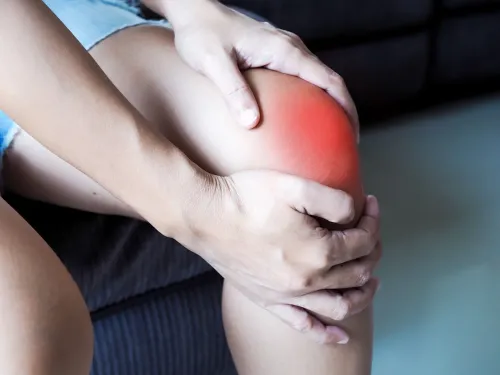
A meniscus tear can occur during a sudden twisting injury, but it can also develop gradually as the knee changes with age. This is one reason meniscus tear treatment cannot be based on the MRI report alone.
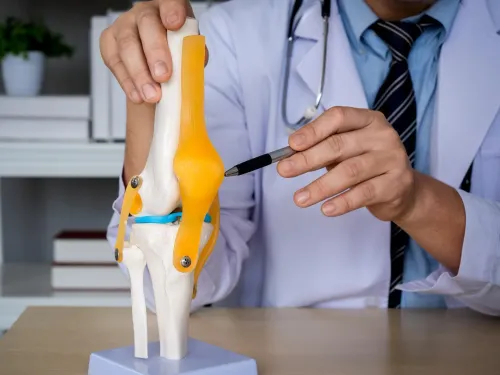
The menisci are two crescent-shaped cartilage structures inside each knee. They distribute load, contribute to stability, and help protect the joint surfaces. Preserving healthy meniscal tissue whenever appropriate is therefore an important consideration.
Not Every Meniscus Tear Is the Same
Tears can vary in pattern, size, location, and cause.
Common patterns include longitudinal, radial, horizontal, flap, and complex tears. Some tears occur in tissue with a better blood supply, while others are located in areas with limited healing potential.
A traumatic tear in a young athlete can therefore require a very different approach from a degenerative tear found in an older adult.
Symptoms Need to Match the Findings
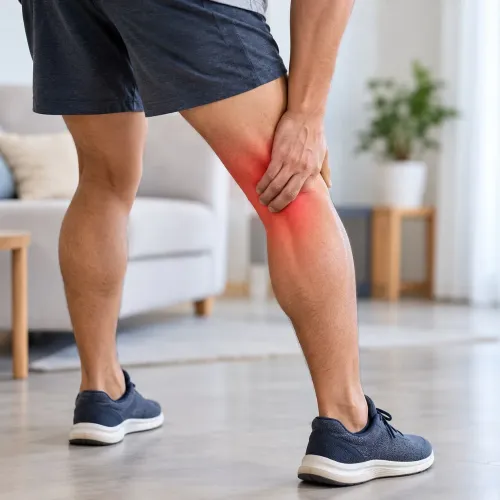
Meniscus tears may cause:
- Joint-line pain
- Swelling
- Clicking
- Catching
- Difficulty squatting
- Pain during twisting
- Restricted movement
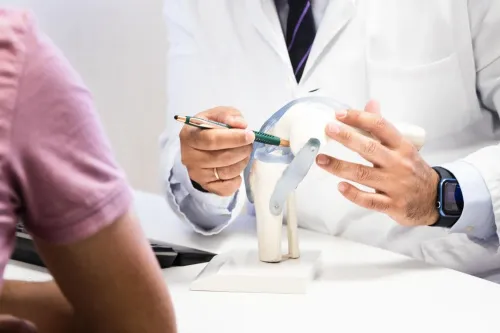
MRI can help identify a tear, but imaging findings should be correlated with the patient's symptoms and examination. Meniscal changes can sometimes appear on scans even when they are not the main cause of pain.
This is particularly relevant for patients seeking treatment in Bangalore after an MRI has already identified a meniscus abnormality.
When Conservative Treatment May Be Appropriate
Selected tears can be managed without surgery, particularly when symptoms are manageable and the knee is not mechanically locked.
Treatment can involve modifying aggravating activities, managing pain and swelling, and completing a structured rehabilitation programme.
Physiotherapy commonly focuses on restoring movement, improving quadriceps and hip strength, and gradually increasing functional loading.
When Arthroscopic Treatment May Be Considered
Surgery can become relevant when symptoms persist despite appropriate conservative care, when certain traumatic tears are potentially repairable, or when a displaced tear causes significant mechanical symptoms.
When feasible, meniscus repair aims to preserve the damaged tissue. In other situations, an unstable portion may require limited trimming.
The choice depends on factors such as tear pattern, location, tissue quality, age, associated ligament injury, and activity level.
Dr. Manohar Rao Ortho assesses meniscal injuries in the context of the entire knee rather than treating an imaging report in isolation.
Why Meniscus Preservation Matters
Removing substantial meniscal tissue changes the way load is distributed through the knee. For that reason, modern treatment generally places importance on preserving functional meniscus tissue whenever clinically appropriate.
Repair is not possible for every tear, however. The biological ability of a tear to heal and the quality of the tissue have to be considered.
For people in Bangalore dealing with ongoing knee pain after a twisting injury, recurrent swelling, catching, or restricted movement, assessment can clarify whether a meniscus tear is responsible. Effective meniscus tear treatment begins with understanding the tear itself and then selecting an approach that balances symptom relief, knee function, and long-term joint preservation.
Keywords