Hip arthritis often develops gradually. Early discomfort may appear only after long walks or strenuous activity, but progressive joint damage can eventually affect sitting, sleeping, climbing stairs, getting into a vehicle, and even putting on footwear.
When these limitations continue despite appropriate non-surgical treatment, Hip Replacement Surgery may be considered.
Signs That May Lead to Hip Replacement Surgery
Persistent hip pain is one of the main reasons patients seek evaluation, but pain alone does not determine whether replacement is needed.
Other indicators may include:
- Increasing stiffness
- Reduced walking distance
- Difficulty standing from a chair
- Pain while sleeping
- Limping
- Trouble putting on shoes
- Reduced hip movement
- Limited benefit from conservative treatment
Pain from the hip often occurs around the groin or upper thigh, although symptoms may also be felt in nearby areas.
How Hip Replacement Surgery Is Evaluated
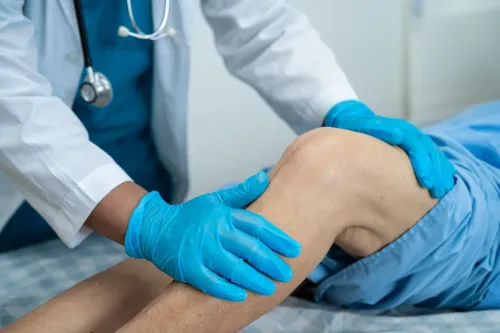
A clinical assessment typically includes medical history, physical examination, and appropriate imaging.
The doctor may evaluate:
- Hip movement
- Walking pattern
- Leg strength
- Areas of tenderness
- Functional limitations
- Previous treatment
- Overall medical fitness
X-rays can help show joint-space narrowing and other structural changes associated with arthritis.
Imaging findings are considered together with symptoms. A severely abnormal X-ray does not automatically mean surgery is required if the patient remains functional with manageable discomfort.
What Happens During Hip Replacement Surgery
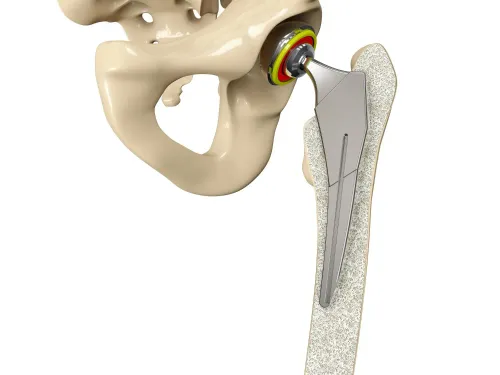
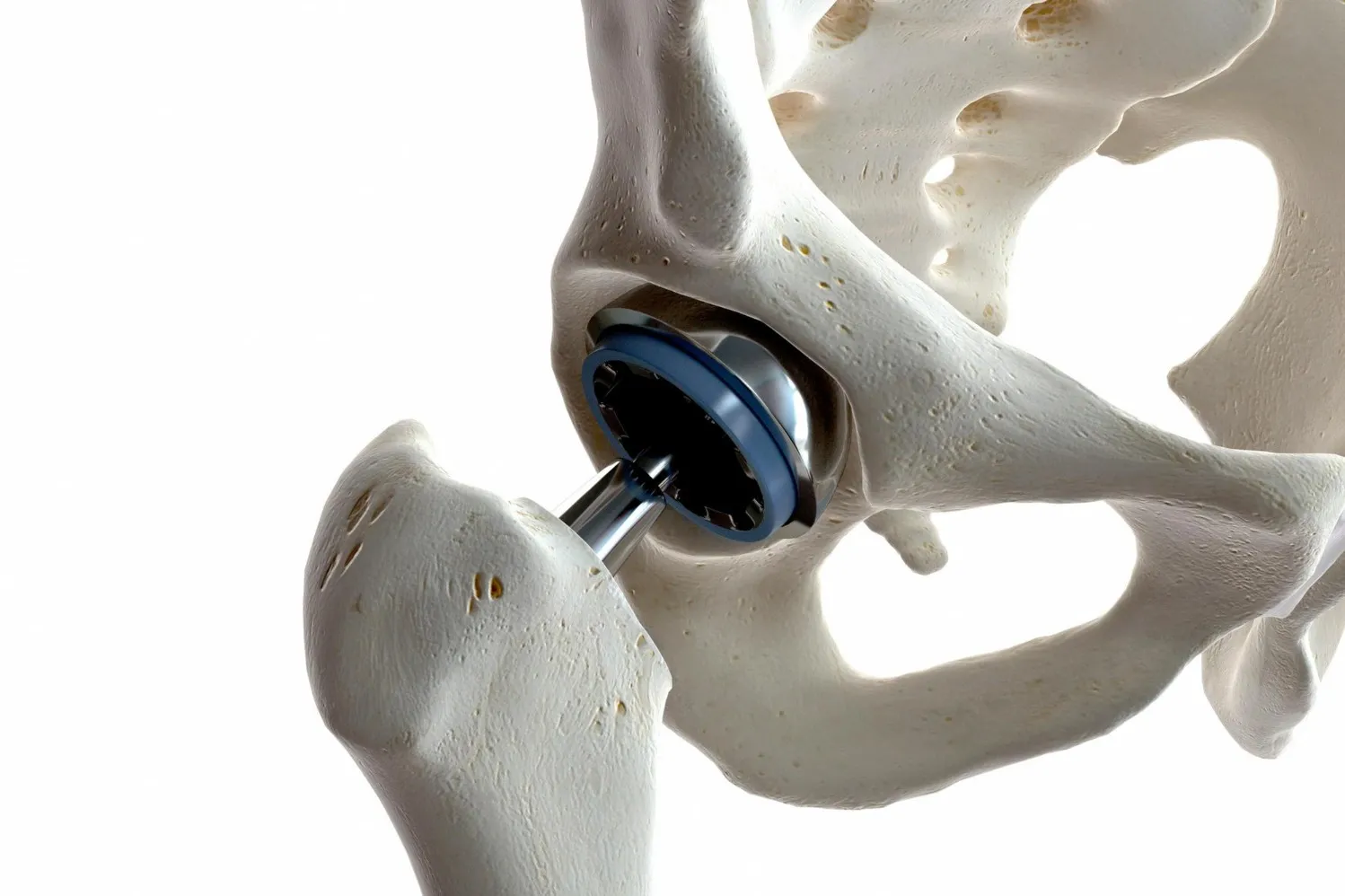
The hip is a ball-and-socket joint. During replacement, the damaged portions are removed and substituted with artificial components.
The femoral head is replaced, and the socket is prepared for an implant.
Implant selection can depend on:
- Bone quality
- Anatomy
- Age
- Activity level
- Medical condition
- Surgical factors
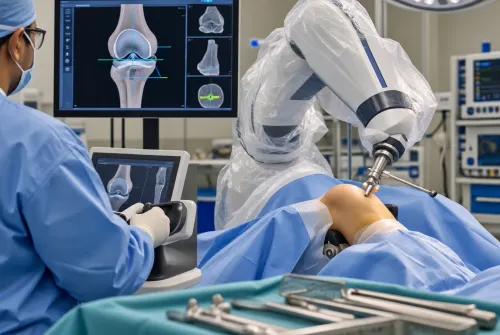
The surgical approach is selected according to individual requirements.
Preparing Before Hip Replacement Surgery
Preparation may include:
- Blood investigations
- Imaging
- Medical assessment
- Medication review
- Infection management
- Diabetes monitoring
- Blood pressure management
Patients should provide a complete list of medicines and supplements.
Preparing the home is also useful. Clear walking pathways, arrange frequently used objects within easy reach, and organize temporary assistance during the early recovery period.
Recovery Following Hip Replacement Surgery
Mobilization usually begins relatively early after surgery according to medical advice.
A walker or other walking aid may initially be needed. Physiotherapy helps improve:
- Walking
- Balance
- Muscle strength
- Joint control
- Confidence with daily activity
Progress varies between individuals. Some routine activities become easier within weeks, while broader recovery may continue for several months.
Benefits and Risks of Hip Replacement Surgery
Potential benefits include reduced arthritis-related pain, improved walking, and greater independence.
Possible complications include:
- Infection
- Blood clots
- Bleeding
- Dislocation
- Fracture
- Nerve injury
- Implant loosening
- Leg-length differences
- Medical complications
Patients should understand these risks before deciding on surgery.
Common Questions About Hip Replacement Surgery
Is hip replacement only for older people?
No. Age is only one factor. Symptoms, joint damage, mobility, and overall health also matter.
How soon can walking begin?
Walking commonly starts during the early postoperative period with suitable assistance.
Is rehabilitation required?
Yes. Progressive rehabilitation supports mobility, strength, balance, and safe return to daily tasks.
How long does a hip implant last?
Implant longevity varies according to patient factors, activity, implant characteristics, and other clinical considerations.
For people in Bangalore and elsewhere in Karnataka, the most useful question is not whether hip replacement is available. The more relevant question is whether hip damage has reached a point where symptoms significantly restrict daily life despite appropriate conservative care.
Keywords