Severe knee arthritis can gradually affect walking, stair climbing, sleep, household work, and independence. When medication, physiotherapy, exercise modification, and other conservative measures no longer provide adequate relief, Knee Replacement Surgery may become part of the treatment discussion.
Understanding what happens before, during, and after surgery allows patients to prepare more effectively instead of focusing only on the operation itself.
How Knee Replacement Surgery Is Planned
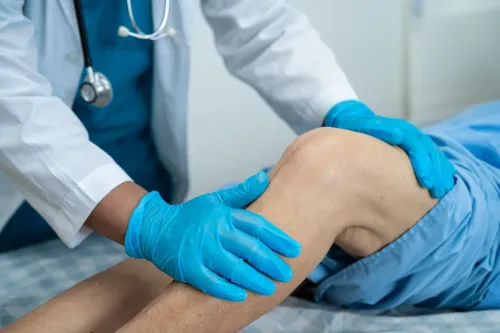
Knee replacement is usually considered when joint damage and symptoms significantly affect daily function.
An orthopedic assessment may look at:
- Pain severity
- Knee movement
- Stiffness
- Walking ability
- Joint deformity
- Previous treatment
- X-ray findings
- General medical health
Age alone does not determine whether surgery is appropriate. The effect of arthritis on daily activities is equally important.
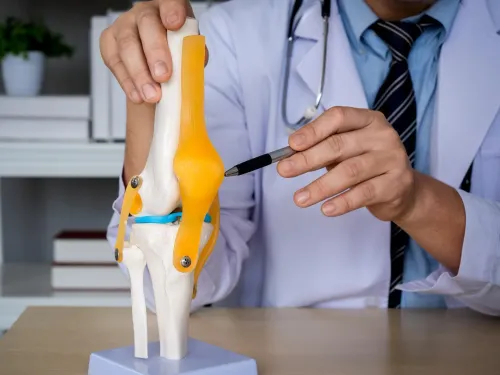
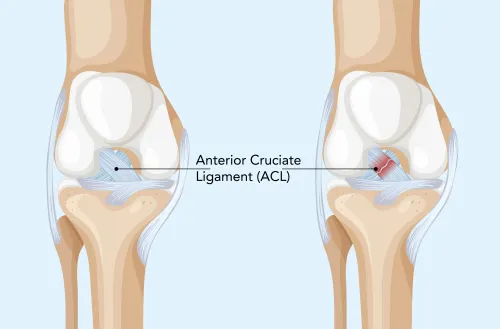
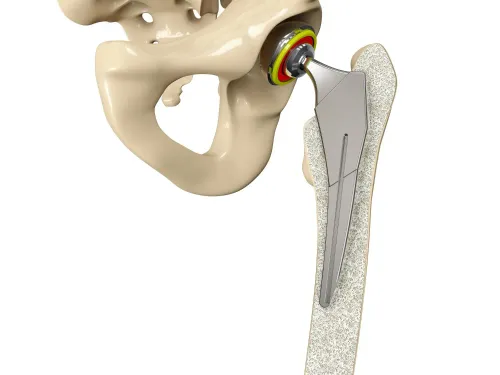
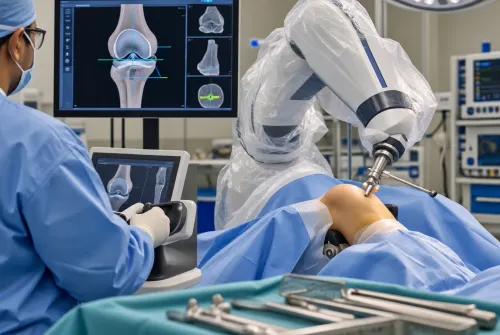
During the procedure, damaged joint surfaces are prepared and replaced with artificial components. Implant choice and surgical planning depend on anatomy, bone condition, ligament stability, and individual clinical needs.
Preparation Before Knee Replacement Surgery
Good preparation can make the early recovery period more manageable.
Patients may need:
- Blood tests
- Medical fitness assessment
- Relevant imaging
- Review of medications
- Diabetes control
- Blood pressure management
- Treatment of active infections
- Home preparation
Medicines should not be stopped without instructions from the treating team.
At home, patients can remove loose rugs, create clear walking pathways, and arrange help with cooking, bathing, transport, and other daily activities during the initial recovery period.
Early Recovery After Knee Replacement Surgery
Movement usually begins during the early postoperative period according to the patient's condition.
A physiotherapist may guide:
- Ankle movements
- Knee bending
- Knee straightening
- Standing
- Assisted walking
- Muscle activation exercises
A walker or another mobility aid may be required initially.
Recovery is progressive. The first goal is usually safe mobility, followed by improved knee movement, strength, confidence, and endurance.
Benefits Expected From Knee Replacement Surgery
The main objective is to reduce pain caused by severely damaged joint surfaces and improve function.
Potential benefits may include:
- Easier walking
- Better stair use
- Reduced arthritis-related pain
- Improved mobility
- Greater independence
- Better ability to perform daily tasks
The degree of improvement differs between individuals.
Risks Associated With Knee Replacement Surgery
Like any major operation, knee replacement has possible complications.
These may include:
- Infection
- Blood clots
- Bleeding
- Joint stiffness
- Persistent pain
- Implant-related problems
- Fracture
- Nerve injury
- Medical complications
Preoperative assessment and careful postoperative monitoring are intended to reduce preventable risks.
Post-Treatment Care Following Knee Replacement Surgery
Recovery continues well after hospital discharge.
Patients should follow instructions concerning:
- Wound care
- Medication
- Physiotherapy
- Walking aids
- Bathing
- Activity progression
- Follow-up appointments
Exercises should be performed consistently, but patients should avoid forcing the knee aggressively beyond the rehabilitation plan.
Maintaining suitable nutrition, adequate hydration, and regular movement also supports recovery.
Common Questions About Knee Replacement Surgery
How long does recovery take?
Initial mobility improves progressively over the first few weeks, while strength and functional recovery can continue for several months.
Is physiotherapy necessary?
Rehabilitation is an important part of regaining movement, muscle strength, balance, and walking confidence.
Can both knees be replaced?
The decision depends on overall health, symptoms, joint condition, and surgical assessment.
Will the replaced knee feel completely natural?
A knee implant is an artificial joint. Treatment goals generally focus on pain reduction and functional improvement.
For patients in Bangalore and throughout Karnataka considering surgery, preparation should begin before hospital admission and continue throughout rehabilitation. Understanding the full recovery pathway helps create realistic expectations and supports safer progress after treatment.
Keywords