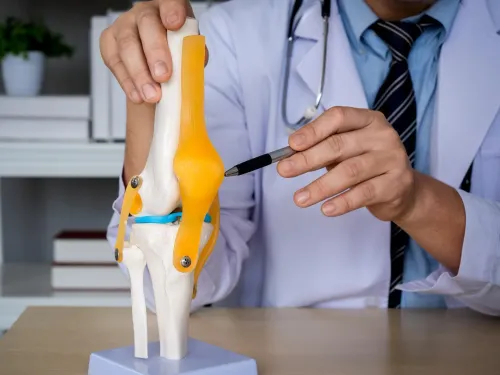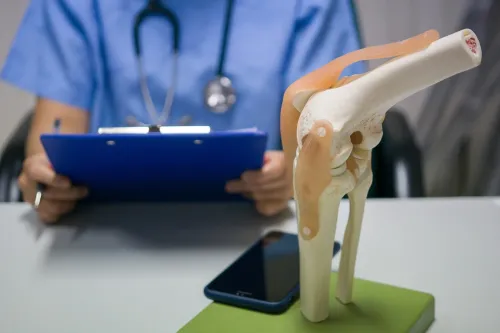
Knee arthroscopy is commonly associated with keyhole surgery, but the small incisions do not mean it is automatically the right treatment for every painful knee.
The value of knee arthroscopy depends on the underlying condition, the patient's symptoms, clinical findings, and whether a treatable structural problem has been identified.
What Happens During Knee Arthroscopy
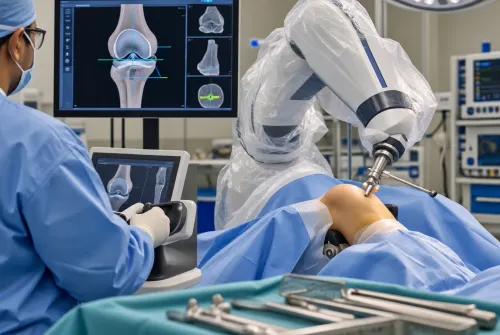
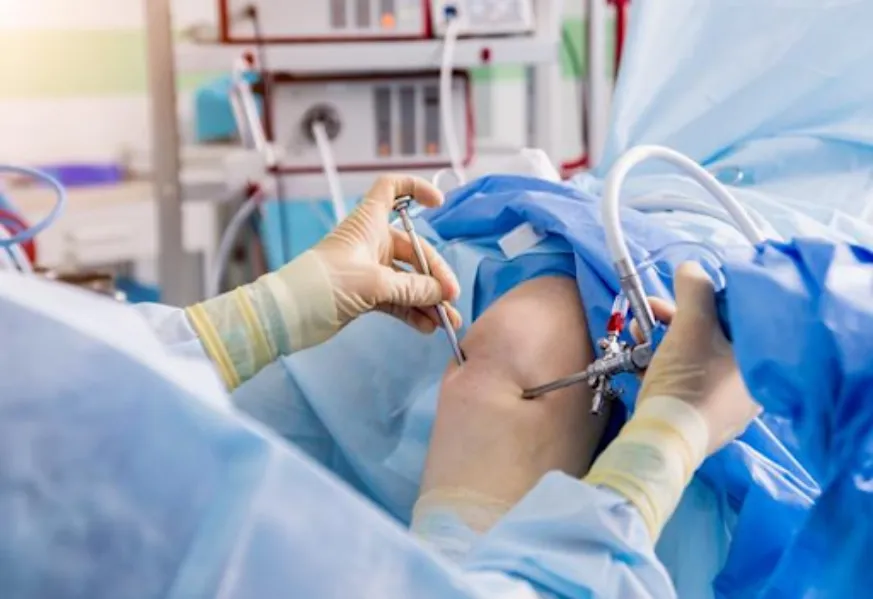
Arthroscopy uses a small camera inserted into the knee joint through a small incision. Additional instruments can be introduced through separate small portals when a procedure needs to be performed.
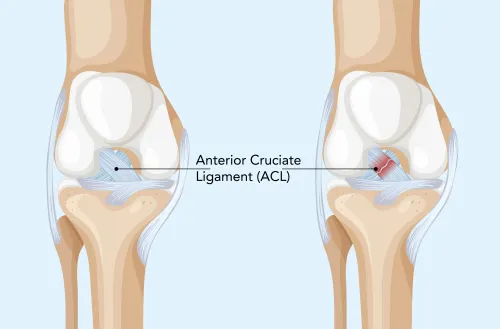
It allows the surgeon to view structures such as the menisci, cartilage, and ligaments directly.
Depending on the diagnosis, arthroscopy may be used as part of procedures involving meniscal repair, selected cartilage treatment, ligament reconstruction, or management of certain loose bodies.
When Arthroscopy May Be Useful
Arthroscopy is most meaningful when there is a clear clinical problem that can potentially be addressed through the procedure.
Examples can include selected traumatic meniscal tears, certain ligament procedures, loose bodies, and some focal cartilage problems.
Symptoms such as true mechanical locking after an injury may require a different assessment from generalised aching caused by degenerative changes.
When Arthroscopy May Not Be the First Choice
Persistent knee pain does not automatically mean keyhole surgery is required.
For many non-traumatic degenerative knee conditions, appropriate non-surgical treatment may be considered first. This can include exercise-based rehabilitation, strength improvement, activity modification, weight management when relevant, and symptom-control measures.
The key question is not simply whether arthroscopy can be performed. It is whether the identified problem is likely to benefit from an arthroscopic procedure.
Questions Patients Can Ask Before Surgery
Before proceeding, it can be useful to understand:
- What structure is causing my symptoms?
- What exactly will be treated during arthroscopy?
- Have appropriate non-surgical options been considered?
- What rehabilitation will be required?
- What are the expected functional goals?
- Are there associated ligament, cartilage, or alignment problems?
These questions help patients understand the purpose of the procedure rather than viewing arthroscopy as a general treatment for knee pain.
Recovery Depends on the Procedure
Recovery after a simple arthroscopic procedure can be very different from recovery after meniscus repair or ligament reconstruction.
Weight-bearing restrictions, exercise progression, return to work, and return to sport therefore depend on what has actually been done inside the knee.
Dr. Manohar Rao Ortho evaluates patients considering knee arthroscopy in Bangalore by correlating symptoms, examination findings, imaging, activity demands, and previous treatment.
A Clear Diagnosis Should Come First
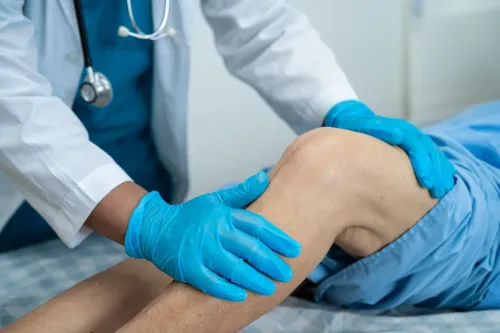
Choosing surgery based solely on an MRI finding can overlook the wider clinical picture. Some abnormalities visible on scans may not be responsible for the patient's symptoms.
A careful assessment helps establish whether there is a reasonable connection between the structural finding and the problem the patient experiences.
For people across Bangalore and Karnataka considering knee arthroscopy, the most useful starting point is a clear diagnosis. When the procedure has a specific objective and appropriate indication, patients can enter treatment with a better understanding of what surgery is intended to address and what rehabilitation will involve.
Keywords